Infertility
If you and your partner are struggling to have a baby, you’re not alone. Millions of people around the world face the same challenge. Infertility is the medical term for when you can’t get pregnant despite having frequent, unprotected sex for at least a year for most couples.
Infertility may happen because of a health issue with either you or your partner, or a mix of factors that prevent pregnancy. But many safe and effective treatments can boost your chances of getting pregnant.
Fertilization and implantation
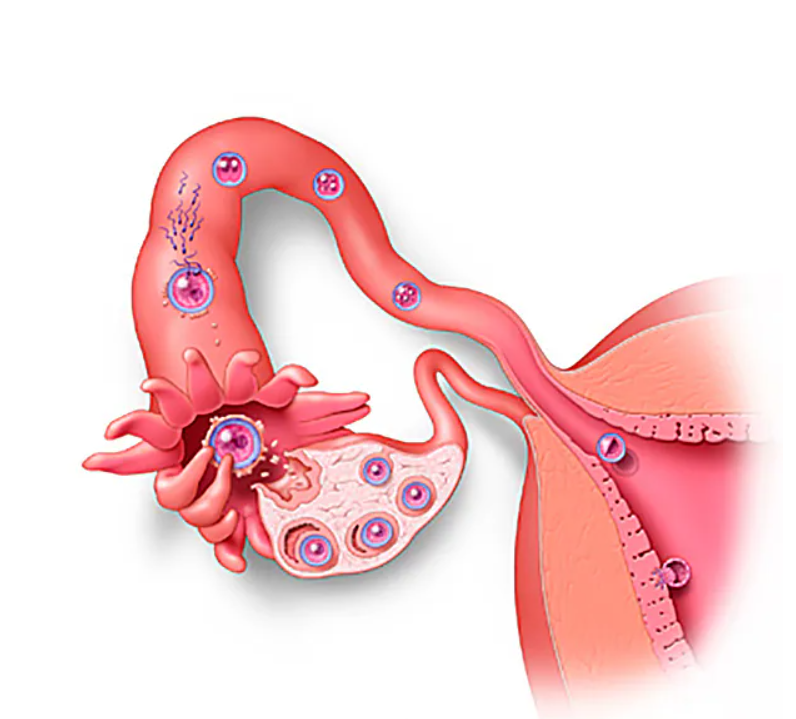
During fertilization, the sperm and egg unite in one of the fallopian tubes to form a zygote. Then the zygote travels down the fallopian tube, where it becomes a morula. Once it reaches the uterus, the morula becomes a blastocyst. The blastocyst then burrows into the uterine wall — a process called implantation.
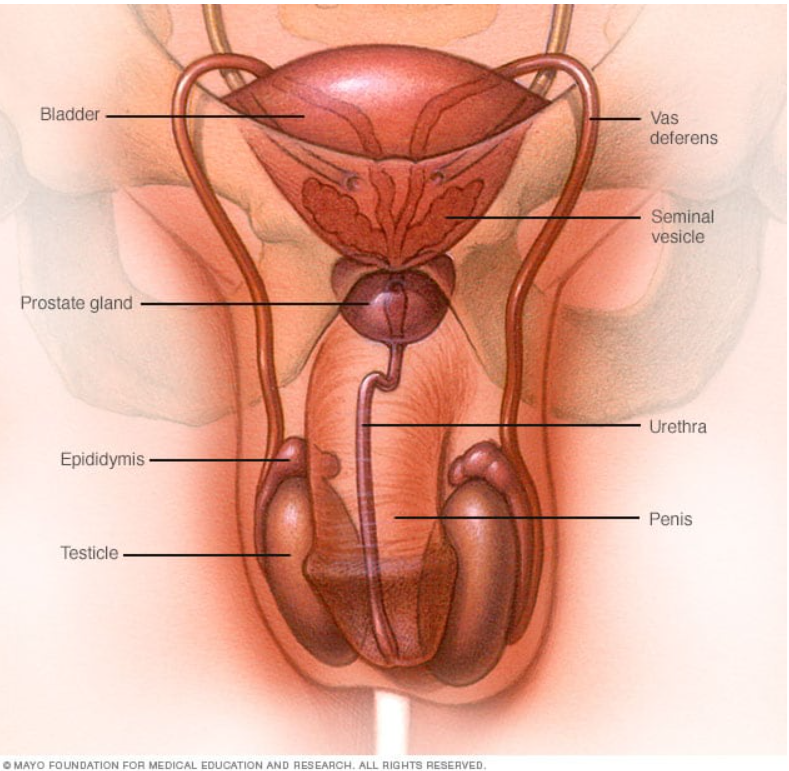
The male reproductive system makes, stores and moves sperm. The testicles produce sperm. Fluid from the seminal vesicles and prostate gland combines with sperm to make semen. The penis ejaculates semen during sexual intercourse.
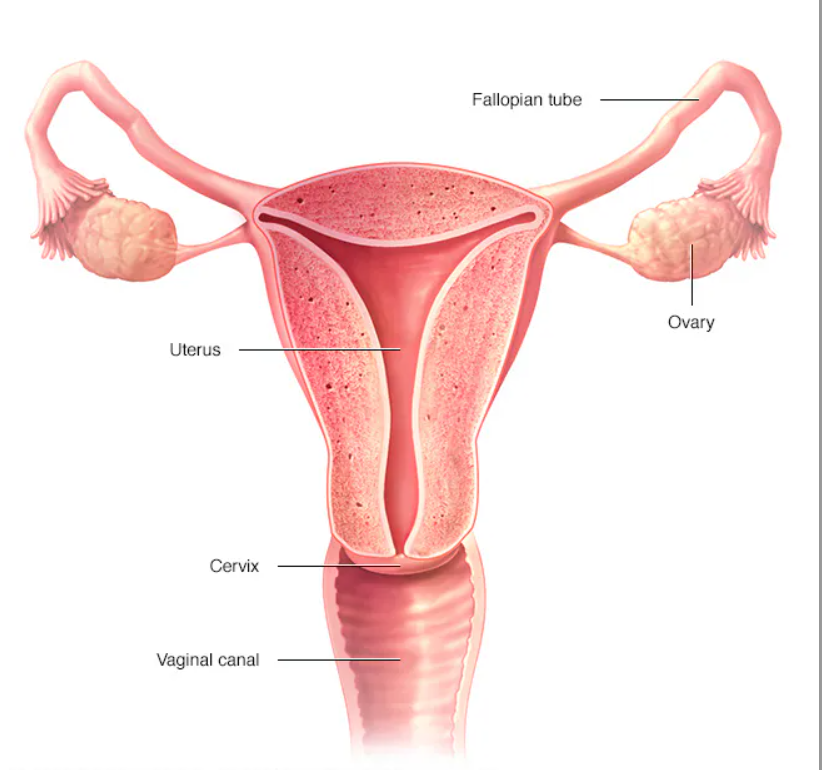
The ovaries, fallopian tubes, uterus, cervix and vagina (vaginal canal) make up the female reproductive system.